

Signs Your Home Has Poor Indoor Air Quality
You probably think about your home’s temperature every day, but the air itself rarely gets the same attention. Poor indoor air quality can leave your home feeling stuffy, muggy, or dusty, and it can quietly affect how your family feels and sleeps. The good news is that your home usually gives you clues when something is off. Learning to spot them is the first step toward cleaner, more comfortable air that you can feel in every room. The key points at a glance:
- Why the air inside your home deserves attention
- Seven warning signs that point to an air quality problem
- The most common causes behind those signs
- How to match each symptom with the right fix
- Answers to frequently asked homeowner questions
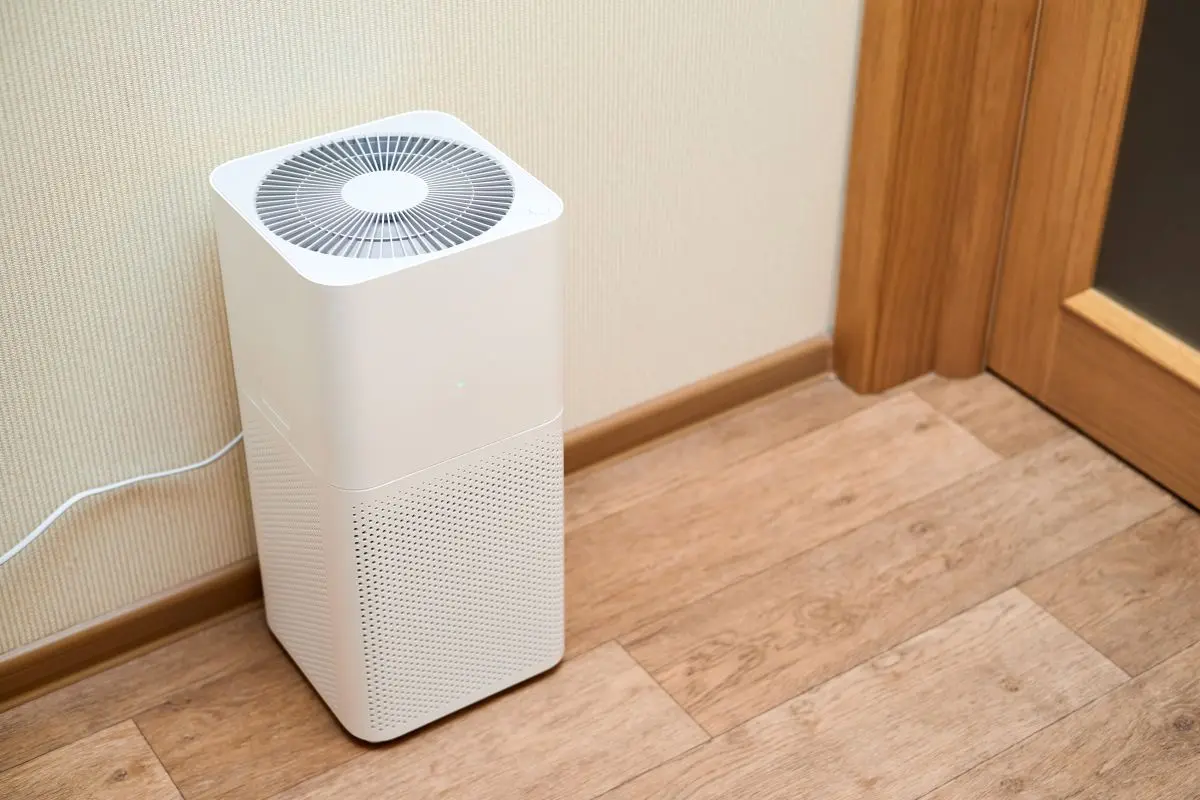
Why the Air Inside Your Home Deserves a Closer Look
The EPA estimates that people spend about 90% of their time indoors, and indoor air pollutants can be two to five times higher than outdoor air levels. Because many contaminants are invisible, problems often build slowly until someone notices that the house never feels fresh. Learning the basics of testing the air in your home can help you understand what you are breathing and when to take action.
- A healthier space for sensitive family members: Kids, people with asthma or allergies, and pets often feel the effects of dust, dander, and other pollutants first.
- Better everyday comfort: Balanced humidity and good air filtration help your home feel cooler, fresher, and less stuffy.
- Less strain on your HVAC system: When excess moisture and debris are under control, your AC does not have to work overtime.
- A cleaner home with less effort: Better filtration means less dust settling on furniture, floors, and HVAC vents between cleanings.
For homeowners in Edna and surrounding areas, the humid South Texas climate makes good indoor air quality an even bigger factor in how a home feels. Paying attention to the warning signs early helps you solve small issues before they turn into larger comfort problems.
7 Warning Signs of Poor Indoor Air Quality
Air quality problems rarely announce themselves all at once. Instead, they tend to show up as small, nagging health symptoms or household issues that are easy to blame on something else.
1. Allergy Symptoms That Ease When You Leave Home
If sneezing, congestion, itchy eyes, or a scratchy throat seem worse at home and improve when you are out, the air inside your house may be part of the problem. Dust, pet dander, and other airborne irritants can circulate through your system and settle in every room.
- Symptoms flare up after the AC or heat kicks on
- Family members feel better after time away from home
- Allergies linger well past the usual seasonal peaks
2. Dust That Returns Almost Immediately
Everyone deals with some dust, but if surfaces look dusty a day or two after cleaning, your filtration may not be keeping up. Heavy dust around supply vents and return grilles suggests particulate matter is moving through your ductwork instead of being captured.
3. Air That Feels Muggy, Sticky, or Heavy
When your home feels clammy even with the AC running, excess humidity is often to blame. The ideal indoor humidity level is between 30% and 50%, and anything much higher makes a home feel warmer and creates a damp, uncomfortable indoor environment.
4. Lingering Odors and Stale Air
Cooking smells, pet odors, and musty scents should fade within a reasonable amount of time. If they hang around for hours or days, your home may have inadequate ventilation or filtration to clear them out.
- Rooms smell stale after being closed up
- Odors return soon after cleaning
- A damp or musty scent appears when the system runs

5. Condensation on Windows and Cool Surfaces
Water droplets forming on windows, mirrors, or around air vents usually mean there is more moisture in the air than your home can handle. Over time, that extra moisture can damage finishes and make indoor air feel heavy.
6. Rooms That Never Feel Quite Right
Some homes have a bedroom that always feels stuffy or a living area that never seems as fresh as the rest of the house. Uneven comfort often points to poor ventilation, leaky ducts, or humidity that varies from room to room.
7. Headaches, Fatigue, or Restless Sleep at Home
Short-term exposure to indoor pollutants can trigger symptoms like headaches and fatigue, and prolonged exposure may contribute to respiratory problems and other health issues. If you notice these symptoms mostly at home, look at the air you breathe and talk with your doctor about any ongoing concerns.
Spotting one of these signs does not always mean something is seriously wrong, but several together usually indicate IAQ problems. The next step is understanding what typically causes them.
What Is Usually Behind the Problem
The most common factors affecting indoor air quality are biological allergens, chemical pollutants, combustion byproducts, and inadequate ventilation. Once you know what is driving the symptoms, it becomes much easier to choose a solution that works.
- Excess humidity: In our climate, high moisture levels are one of the biggest contributors to a muggy home and make your AC work harder.
- Clogged or basic air filters: A dirty or low-efficiency filter lets dust, dander, and other particles recirculate.
- Volatile organic compounds: VOCs are chemicals released as gases from household products like cleaners, paints, and air fresheners.
- Combustion pollutants: Carbon monoxide, nitrogen dioxide, and particulate matter can come from gas stoves, fireplaces, and other fuel-burning appliances.
- Tight, energy-efficient construction: Without proper ventilation, well-sealed homes can trap stale air and raise pollutant concentrations.
- Leaky or damaged ductwork: Gaps in your ducts can pull in dust and unconditioned air from attics or crawl spaces. Some pollutants also deserve their own safety checks. Carbon monoxide detectors belong on every level of the home, and since radon is the leading cause of lung cancer among non-smokers, a radon test kit or air quality monitor adds peace of mind.
Many homes in Edna and surrounding areas deal with more than one of these factors at once, which is why a professional evaluation helps identify the real cause.
Matching the Fix to the Symptom
Not every air quality issue needs the same solution, and the right fix depends on what your home is experiencing. The table below shows how common signs often connect to practical solutions.
| What You Notice | Likely Cause | Possible Solution |
| Muggy, sticky air and window condensation | Excess humidity | Whole-home dehumidifier |
| Constant dust and allergy flare-ups | Weak air filtration | High-efficiency filters |
| Lingering odors and airborne germs | Limited air treatment | UV lights paired with better filtration |
| Dry skin and static in cooler months | Low humidity | Whole-home humidifier |
| Stuffy rooms and uneven comfort | Airflow or duct issues | Ductwork inspection and repair |
| For most homes in South Texas, controlling moisture makes the biggest difference. Whole-home dehumidifiers such as Santa Fe systems pull excess moisture from the air so your home feels cooler and fresher at more efficient thermostat settings. |
Simple Habits That Help Between Service Visits
Professional solutions do the heavy lifting, but a few everyday habits support cleaner air.
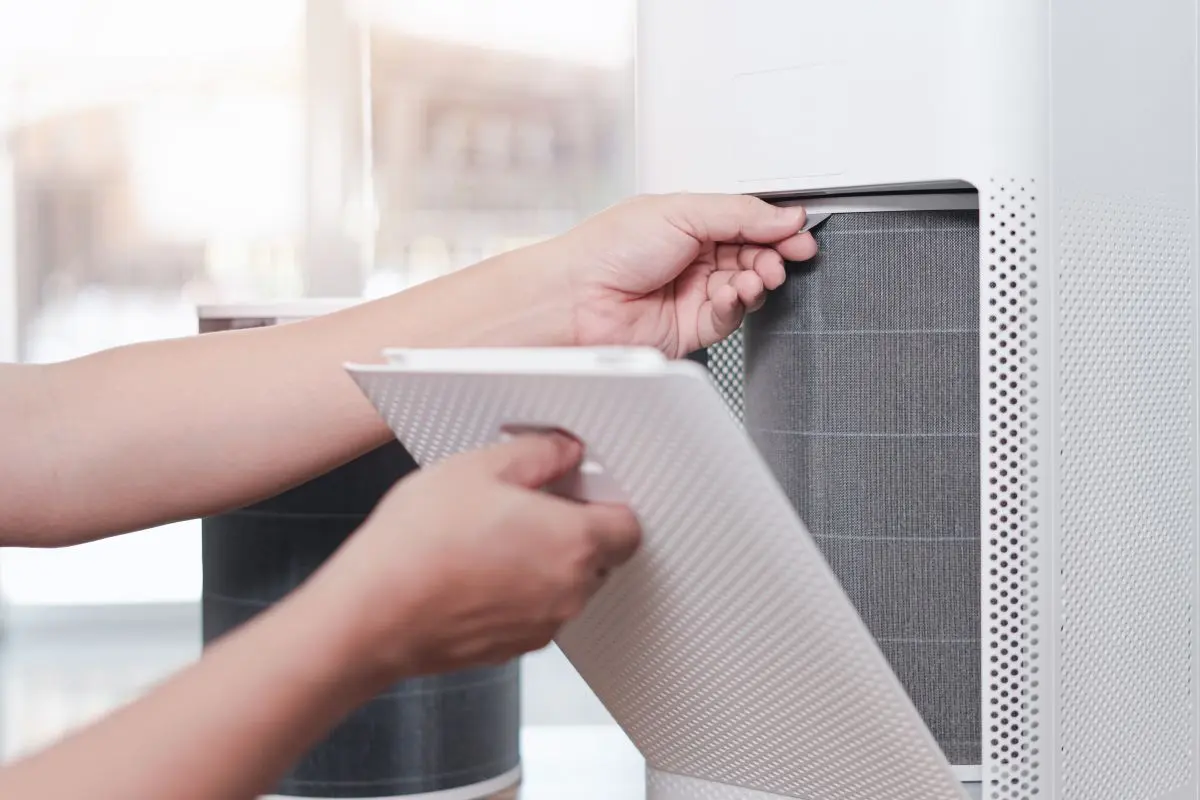
- Check your filter regularly: Replace it as recommended, and more often if you have pets or allergy sufferers.
- Use exhaust fans: Run kitchen and bathroom fans during and after cooking or showering.
- Keep vents clear: Make sure furniture, rugs, and curtains are not blocking HVAC vents.
- Choose low-VOC products: Pick cleaners and paints with fewer chemicals, and let in outdoor air when outdoor air quality allows.
- Schedule regular maintenance: Routine tune-ups keep your system running efficiently and catch small issues early.
These habits will not replace a properly designed air quality setup, but they help your equipment perform at its best. Combined with the right solutions, they make a real difference in your home’s indoor air quality.
Frequently Asked Questions About Indoor Air Quality at Home
Homeowners often have similar questions once they start noticing signs of poor air in their homes. Here are straightforward answers to some of the most common ones.
How can I tell if my indoor air quality is poor?
Look for patterns such as frequent dust buildup, lingering odors, condensation on windows, muggy air, or allergy symptoms that improve when you leave home. An air quality monitor can also track humidity and common pollutants over time.
Does humidity really affect indoor air quality?
Yes. Too much moisture makes your home feel warmer and stickier, while low humidity can cause dry skin and static. Keeping levels between 30% and 50% is one of the most important parts of healthy indoor air.
How often should I change my air filter?
Follow the recommendation for your specific filter and system. Homes with pets, allergy sufferers, or heavy dust may need more frequent changes to keep air moving freely.
Is an air purifier enough on its own?
A portable air purifier can help in a single room, but it does not address humidity or airflow. Solutions built into your HVAC system treat the air in every room at once.
What air quality solutions are available for my home?
Options include whole-home dehumidifiers, humidifiers, UV lights, and high-efficiency filters, often combined into a setup tailored to your home. Homeowners in Edna and surrounding areas can request a free system quote, and financing options are available. If you are still unsure what your home needs, a professional assessment can take the guesswork out of the process. A quick visit often reveals the real cause and the most practical way to fix it.
Breathe Easier in Every Room
The air inside your home affects how comfortable, rested, and healthy your family feels every day. At True Air Conditioning, we look beyond the thermostat to find the issues other companies miss, then recommend solutions that fit what your home actually needs. From Santa Fe dehumidifiers to UV lights and high-efficiency filters, our licensed and insured team builds air quality setups designed for the South Texas climate. We are proud to help families across Edna, TX and surrounding areas enjoy fresher, more balanced air with honest pricing and no pressure. If you have noticed any of these warning signs, contact us today to schedule a visit and get your free system quote.

