
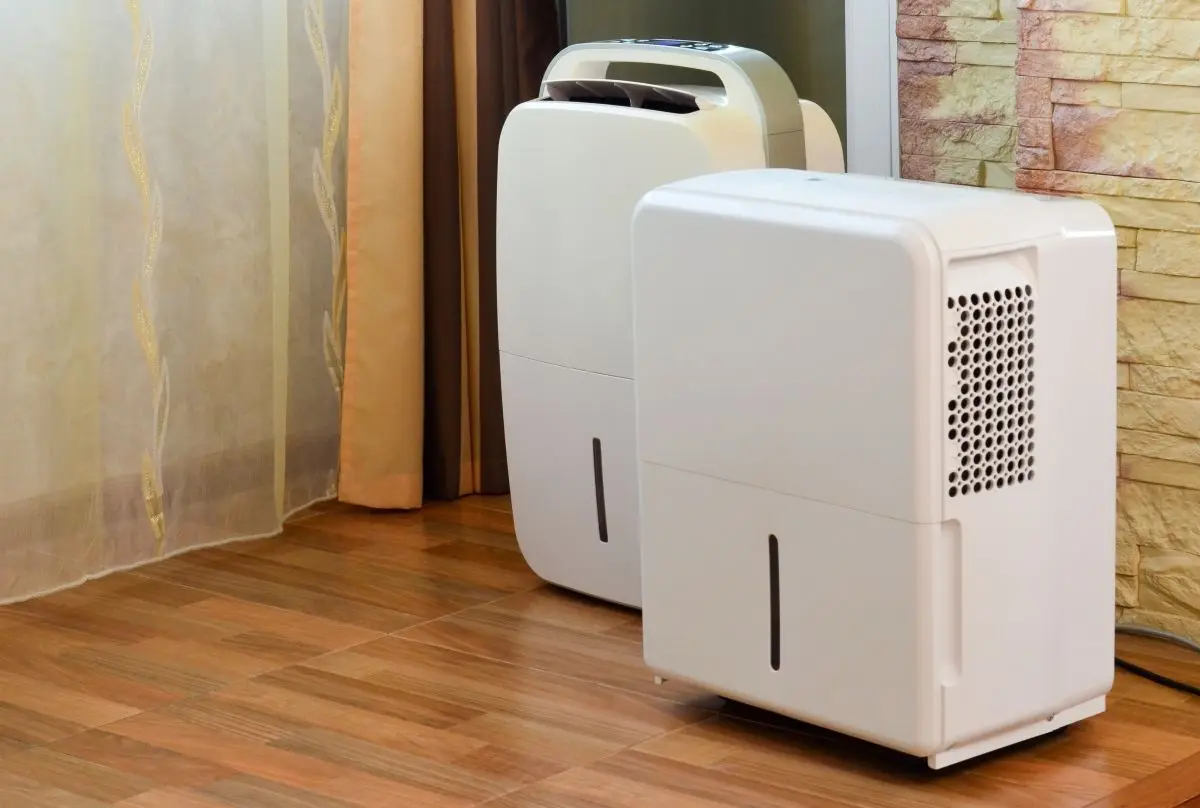
How to Lower Humidity Inside Your Home
Sticky floors, foggy windows, and a home that never quite feels cool are all signs that moisture is working against your comfort. High humidity affects far more than how a room feels, since it plays a direct role in indoor air quality, comfort, and even the condition of your home over time, especially during the long stretches of hot, muggy weather common to this part of Texas. Since people spend up to 90 percent of their time indoors, and indoor air can be two to five times more polluted than the air outside, small changes to how your home handles moisture and airflow can make a real difference. Understanding how to bring humidity under control, including the role your cooling equipment plays, gives you a clear starting point before things get worse.
Here’s a short look at what this guide walks through:
- Why humidity matters more than most homeowners realize
- The most common reasons a home holds onto excess moisture
- Practical ways to bring humidity levels back down
- How humidity control compares across different home setups
Why Excess Moisture Deserves Your Attention
Homeowners in Yoakum and surrounding areas often notice humidity as a comfort issue first, but the effects run much deeper than a sticky afternoon. Excess moisture can damage wood, paint, and drywall over time, and it creates conditions that make a home feel warmer than the thermostat suggests. Looking into how humidity affects a home over time makes it clear why this is worth addressing early rather than later.
- Better Comfort: Lower humidity helps a home feel cooler at the same temperature setting.
- Healthier Air: Reduced moisture means fewer conditions that encourage dust mites, musty odors, and other airborne allergens that can trigger allergic reactions or asthma flare ups.
- Protected Belongings: Wood furniture, flooring, and books hold up better in a drier environment.
- Lower Cooling Costs: A system that isn’t fighting excess moisture runs more efficiently overall.
These benefits add up quickly, especially in a climate where humidity can stay high for much of the year. Homeowners who address moisture early tend to avoid the more stubborn problems that show up after months or years of unchecked dampness, from musty odors to peeling paint. Prolonged exposure to indoor pollutants, whether they come from excess moisture, pet dander, or volatile organic compounds released by paints and cleaning products, can affect eyes, noses, and respiratory health over time, so addressing the sources early matters for the whole family. Taking a proactive approach here often costs far less than fixing the damage after the fact, and it means fewer surprises when it comes time to sell or renovate the home down the line.
6 Common Causes of High Indoor Humidity
Understanding where excess moisture actually comes from makes it much easier to solve the problem at its source rather than just masking the symptoms. Here’s a closer look at the most frequent culprits found in homes throughout the region.
1. Poor Ventilation
Homes without adequate airflow trap moisture instead of letting it escape, which allows humidity to build up over time. Bathrooms and kitchens are especially prone to this since both generate significant moisture during everyday use. Poor ventilation can also trap other indoor air pollutants like carbon dioxide and volatile organic compounds, which is a bigger concern in tightly sealed modern homes built to be energy efficient.
- Exhaust fans that aren’t used consistently
- Bathrooms without proper venting to the outside
- Kitchens that rely only on a range hood recirculating indoor air
2. An Oversized or Poorly Maintained Cooling System
An air conditioner that’s too large for the space cools quickly but doesn’t run long enough to pull moisture out of the air. A neglected system with a dirty filter or low airflow struggles with the same problem, even if it’s properly sized, since restricted airflow reduces the system’s ability to dehumidify as it cools.
3. High Outdoor Humidity
When outdoor air is heavy with moisture, some of it inevitably works its way indoors through small gaps, open doors, and everyday ventilation. This is especially noticeable during the hottest, muggiest stretches of summer.
4. Plumbing Leaks
A slow leak under a sink or around a water heater can quietly add moisture to the air for weeks before anyone notices. These leaks are often hidden in cabinets, crawl spaces, or behind walls, which makes them easy to overlook.
5. Inadequate Insulation
Gaps in insulation let humid outdoor air seep into a home while also letting cooled indoor air escape. This creates a cycle where the cooling system works harder while humidity levels stay stubbornly high.
- Uninsulated attic spaces
- Gaps around window and door frames
- Thin or aging wall insulation in older homes
6. Everyday Household Habits
Long showers, boiling water, and indoor drying racks all release moisture directly into the air, and these habits add up over the course of a day. None of these activities are a problem on their own, but combined they can push humidity levels higher than expected. Choosing low-VOC cleaning products and air fresheners can also help, since many conventional versions add their own pollutants to the mix on top of excess moisture.
These six factors cover the vast majority of humidity complaints homeowners bring up, and most homes deal with more than one of them at the same time. Identifying which ones apply to your situation makes it much easier to target a solution instead of guessing at fixes that may not address the real cause. In many cases, a short walkthrough with a technician is enough to pinpoint the biggest contributors and prioritize what to fix first.
Practical Ways to Bring Humidity Down
Once the source of excess moisture is clear, there are several practical steps that can make a noticeable difference in how a home feels day to day. Some of these are simple habit changes, while others involve equipment upgrades.
Quick Habit Changes
- Run exhaust fans during and after showers or cooking
- Keep interior doors open to encourage airflow between rooms
- Avoid drying laundry indoors on humid days
- Use lids while cooking to reduce released steam
Equipment-Based Solutions
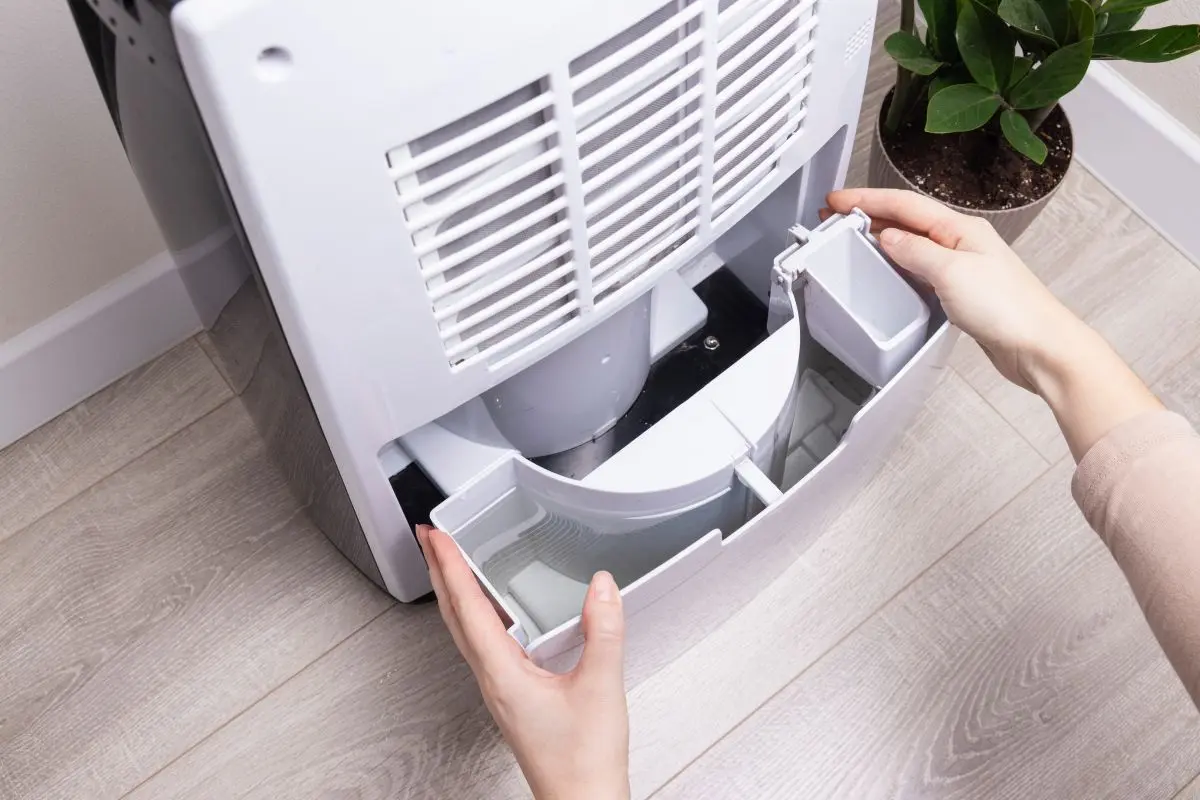
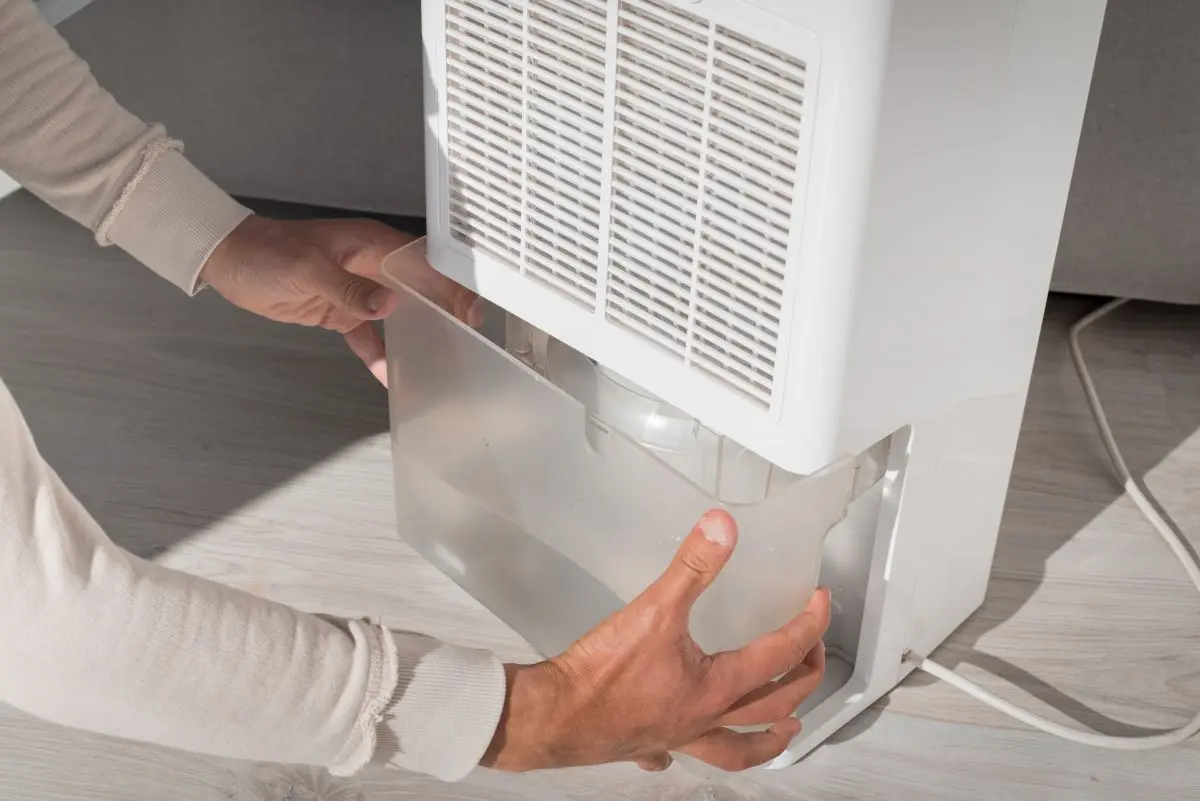
A properly sized cooling system does more than lower the temperature, it actively removes moisture as air passes over the coils. Pairing that with a dedicated dehumidifier in problem areas like a laundry room or basement can address humidity that a standard system alone can’t fully handle, and a smart thermostat with humidity monitoring can help you track progress over time. An air purifier with a HEPA filter can also help by capturing fine particles and allergens, including pet dander and dust, while a properly rated HVAC filter with a MERV rating of 11 to 13 catches much smaller particles than a standard filter.
Combining small daily habits with the right equipment tends to produce the most noticeable and lasting results. Homeowners who only rely on one approach often find that humidity creeps back up once the weather turns hot and sticky again, so a layered strategy tends to hold up better over time.
Whole Home Dehumidification vs Portable Units
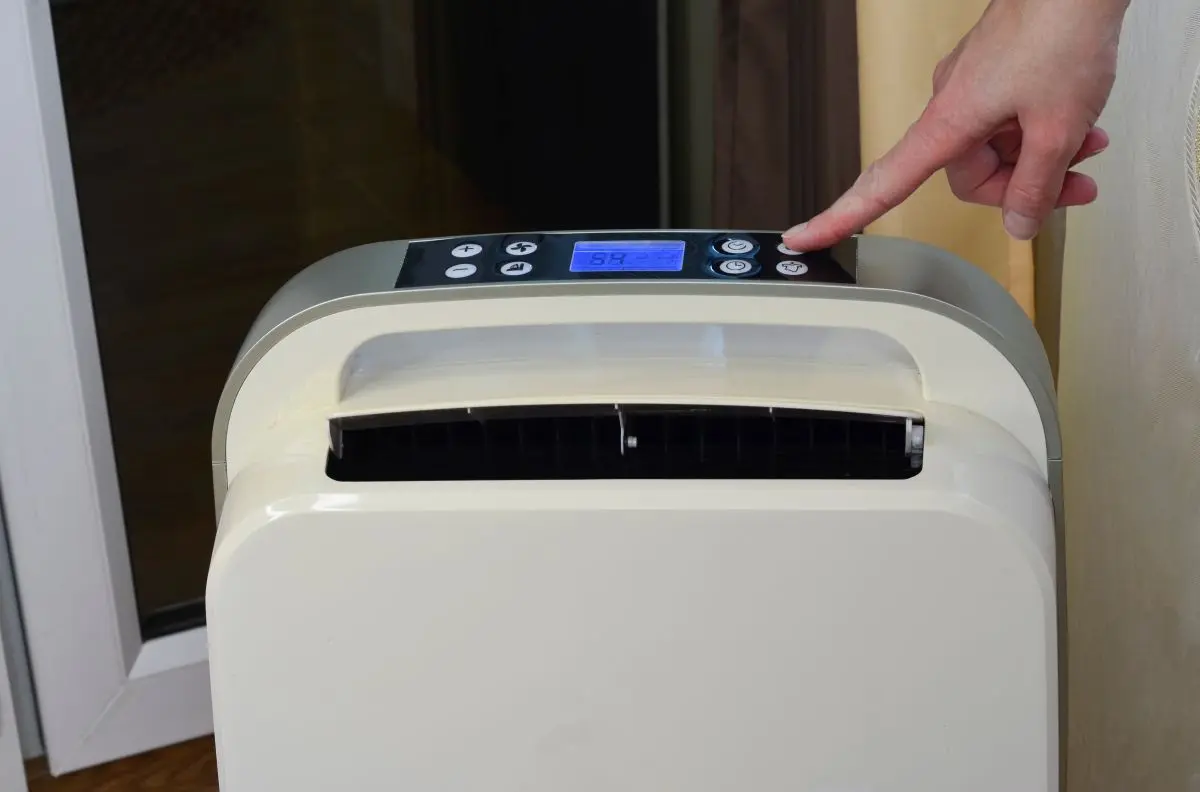
Deciding between a whole home solution and a portable unit often comes down to the size of the problem and how many rooms are affected. Both approaches have a place depending on the situation.
| Factor | Whole Home Dehumidifier | Portable Dehumidifier |
| Coverage | Entire home through ductwork | Single room or small area |
| Installation | Connects to existing HVAC system | Plug in and go |
| Upfront Cost | Higher | Lower |
| Best For | Homes with widespread humidity issues | Isolated problem areas |
Neither option is automatically the better choice, since the right fit depends on whether humidity is a whole home issue or limited to specific rooms. Homeowners in Yoakum and surrounding areas often start with a portable unit in the worst-affected space before deciding whether a whole home solution makes sense for their situation, and a technician can help make that call based on how widespread the problem really is.
Frequently Asked Questions About Indoor Air Quality and Humidity
A handful of questions come up often from homeowners trying to get humidity under control for the first time. Here are clear answers to the ones we hear most.
What humidity level should I aim for indoors?
Most experts recommend keeping indoor humidity between 30 and 50 percent for comfort and to discourage the conditions that lead to musty odors and dust mites.
Can my air conditioner alone control humidity?
A properly sized and well maintained system removes some moisture as a normal part of cooling, but it may not be enough on its own in especially humid climates or poorly ventilated homes.
How do I know if my home has a humidity problem?
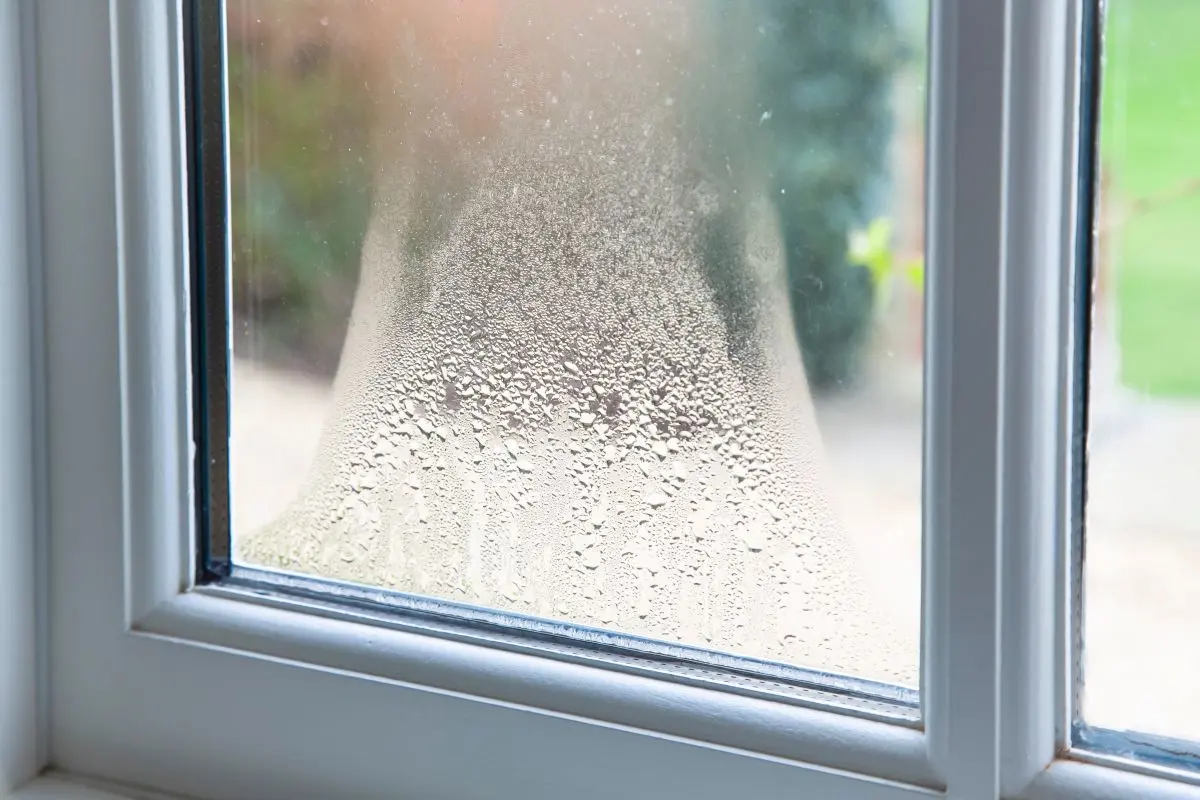
Common signs include musty odors, condensation on windows, a sticky feeling in the air, and visible dampness on walls or in closets.
Is a whole home dehumidifier worth the investment?
For homes with widespread humidity issues across multiple rooms, a whole home system often pays off through better comfort and fewer moisture related repairs down the road.
How often should I check my HVAC filter?
Checking monthly and replacing as needed helps keep airflow strong, which supports both cooling performance and humidity control throughout the home. Most homes do well replacing filters every one to three months, though homes with pets or during high pollen seasons may need it closer to every 60 days.
Should I test my home’s indoor air quality?
Testing can help identify hidden contaminants like elevated humidity, allergens, and in some cases hazards such as radon or carbon monoxide that aren’t obvious from smell or appearance alone. A technician can help determine whether testing makes sense for your home.
These answers cover the basics, but every home has its own quirks that can affect the right approach. If your situation doesn’t quite match what’s covered here, it’s worth discussing the specifics with a technician who can look at your home directly, since factors like ductwork condition and insulation quality can shift the best solution.
Take Control of Your Home’s Comfort
Excess humidity doesn’t just make a home feel uncomfortable, it can quietly affect your health, your belongings, and the performance of your cooling system over time. Addressing the root cause, whether it’s ventilation, equipment, or everyday habits, makes a noticeable difference in how your home feels throughout the year, especially during the hottest and most humid stretches of the season.
True Air Conditioning has helped homeowners across Yoakum and surrounding areas tackle humidity and comfort issues with practical, honest solutions. If your home feels muggy no matter what the thermostat says, contact us today and let’s find the right fix for your space.

